Youth Leadership Training: Empowered Leaders, Empowered Futures
On the 29th of July, 2023, UNA Fiji in partnership with Nadroga DCOSS supported by the US Embassy provided training to young Fijians in the province of Nadroga Navosa working towards #SDG4.7, #SDG16 and #SDG17. The training included interactive lessons on Protocol and Effective Pitching which aimed to equip the young students with the tools to become effective leaders in the future.
Some Background...
From July 2023, I have returned to UNA Fiji as a Volunteer, providing my expertise and experience having previously worked with the Organization as an Executive Committee Member and Member for about 5 years from 2017 - 2022.
UNA Fiji worked tirelessly with Nadroga DCOSS to secure the venue and take care of the logistics. I was brought in to lead the Protocol part of the Protocol and Pitching Workshop as well as act as the Chief of Protocol for the Opening and Closing Ceremonies.
(The Chief of Protocol is responsible for organizing and overseeing official events with proper etiquette and diplomacy. They handle guest lists, seating arrangements, and ensure that protocol guidelines are followed.)
What is Protocol?
Diplomatic protocol refers to the established customs, rules, and practices governing interactions and procedures among diplomats and representatives of different countries. It plays a crucial role in international relations and helps maintain a sense of order and decorum in diplomatic engagements. Encompassing a wide range of aspects, diplomatic protocol includes the following elements:
1. Etiquette and Behavior:
This aspect encompasses the appropriate conduct and behavior expected from diplomats and officials during diplomatic events, meetings, and social gatherings. It involves understanding and respecting cultural norms and traditions of the host country.
2. Precedence and Rank:
Diplomatic protocol establishes the order of precedence and rank among diplomats from different countries. This determines the order in which diplomats are received, greeted, and seated at official events and meetings.
3. Dress Code:
Diplomatic events often have specific dress codes that diplomats must adhere to. This typically includes formal attire or traditional dress, depending on the occasion and host country's customs.
4. Ceremonies and Presentations: Diplomatic ceremonies, such as the presentation of credentials by ambassadors to heads of state, follow established protocols to ensure
their smooth execution.
5. Flag and Symbol Usage:
The correct use and display of national flags, emblems, and symbols are important in diplomatic protocol. Mistakes in this area can be seen as disrespectful or even offensive.
6. Communication and Correspondence:
There are specific rules for diplomatic correspondence and communication between diplomats and government officials. These rules ensure clarity, precision, and diplomatic language to avoid misunderstandings and misinterpretations.
7. Gift-Giving: The exchange of gifts is a common practice in diplomacy. However, there are protocols around what types of gifts are appropriate, the value of gifts, and cultural considerations.
8. Visits and Official Engagements:
When diplomats visit other countries or receive foreign dignitaries, there are established protocols for welcoming, hosting, and conducting
official engagements.
9. Titles and Forms of Address:
Diplomats use specific titles and forms of address when addressing each other or officials of the host country. These titles reflect the
diplomatic rank and position.
10. Security Protocols:
Diplomatic missions and officials often have specific security protocols to ensure their safety and protect sensitive information.
11. Negotiation and Diplomatic Immunity:
Diplomatic protocol also extends to negotiations and discussions between diplomats. It includes the concept of diplomatic immunity, which
grants diplomats certain privileges and protections from legal jurisdiction in the host country.
12. Multilateral Diplomacy: In the context of multilateral organizations (e.g., the United Nations), diplomatic protocol involves procedures for conducting meetings, voting, and representation.
Overall, diplomatic protocol helps establish a framework for diplomatic interactions that fosters mutual
respect, effective communication, and cooperation between nations. It ensures that diplomats can navigate the complexities of international relations while adhering to established norms and traditions.
Closing Notes :
To summarize my experiences, it was a great opportunity provided by UNA Fiji, Nadroga DCOSS and the US Embassy and it was a pleasure to give back to the community in such a way. 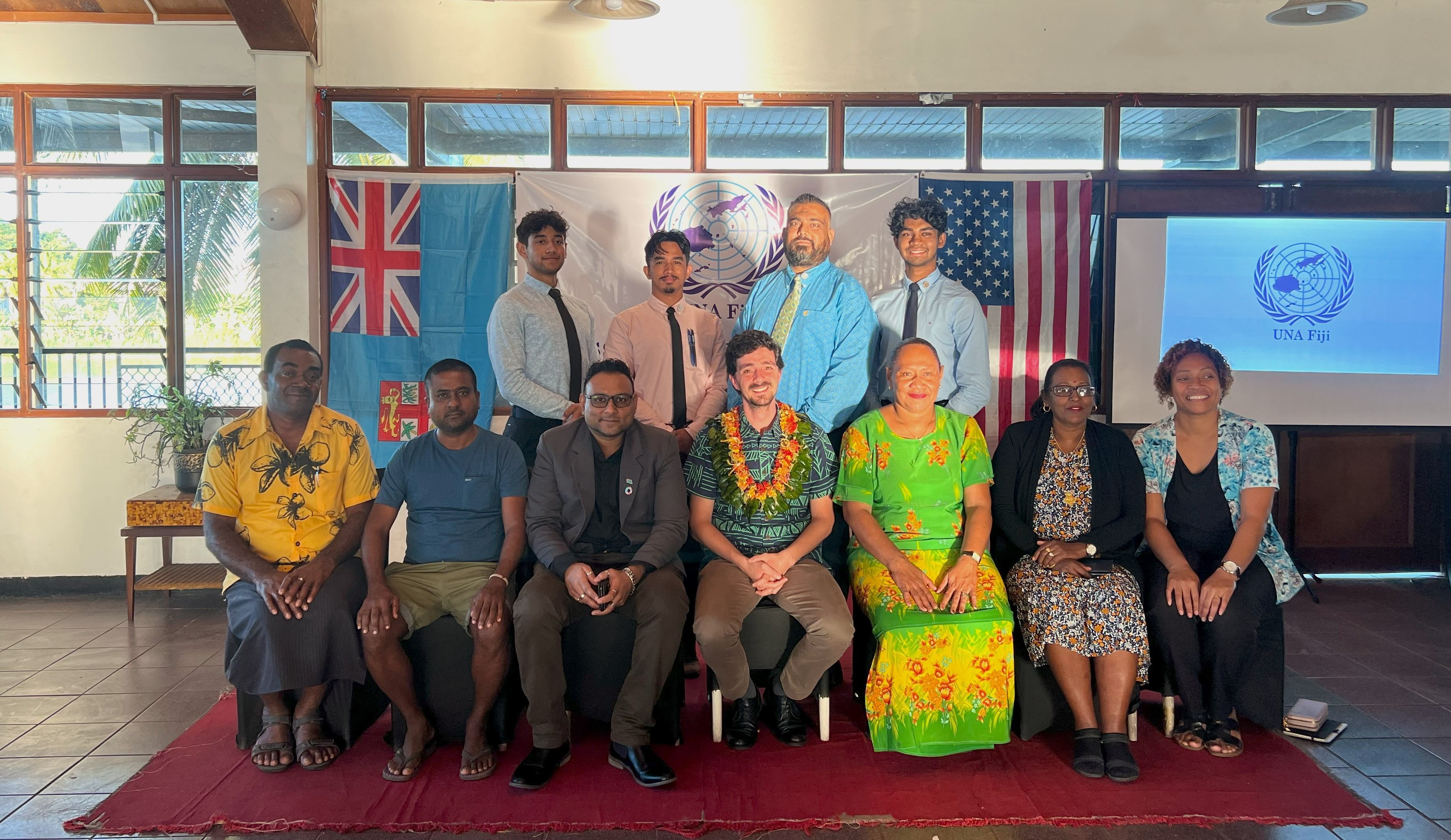
(pictured above is the UNA Fiji Team and the Nadroga DCOSS Team with chief guest: Chargé de affaries a.i of Spain in Fiji, Mr. Gaël Sánchez)